
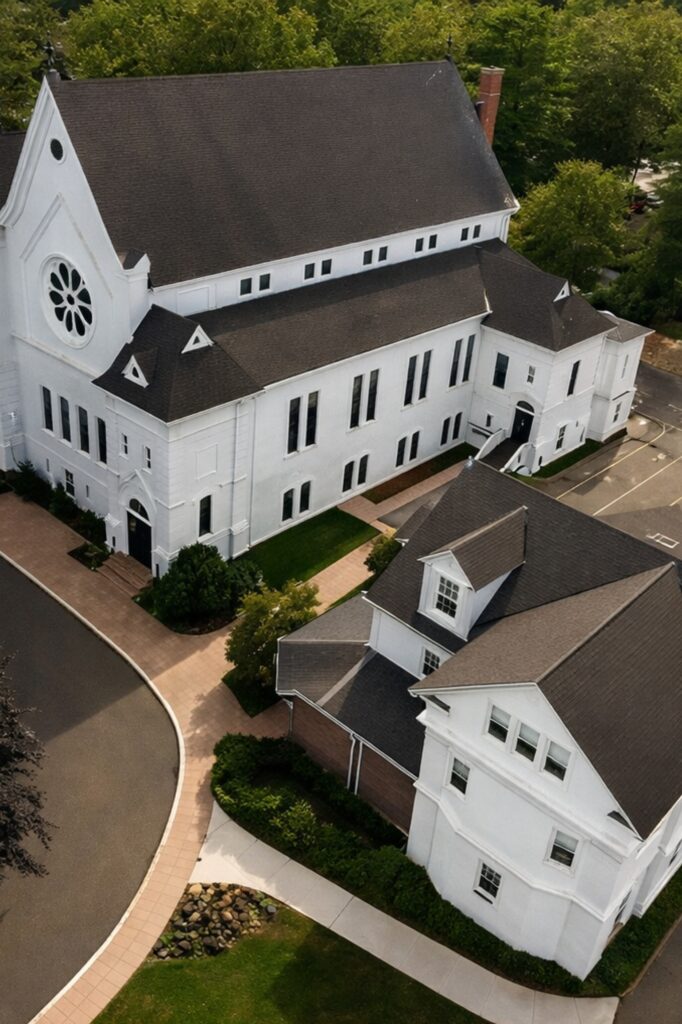
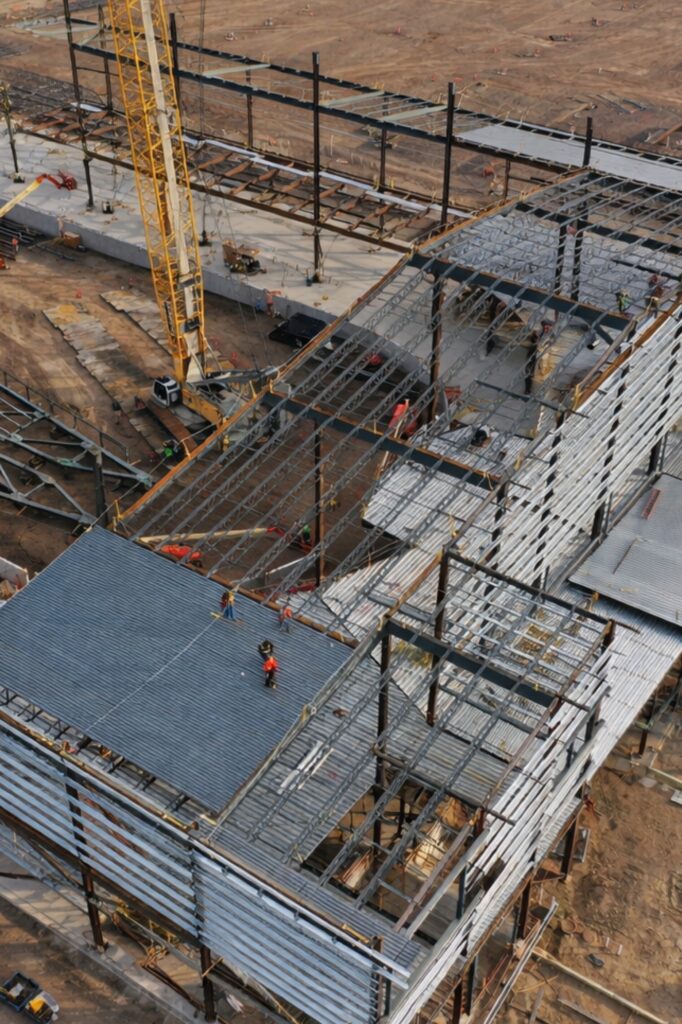
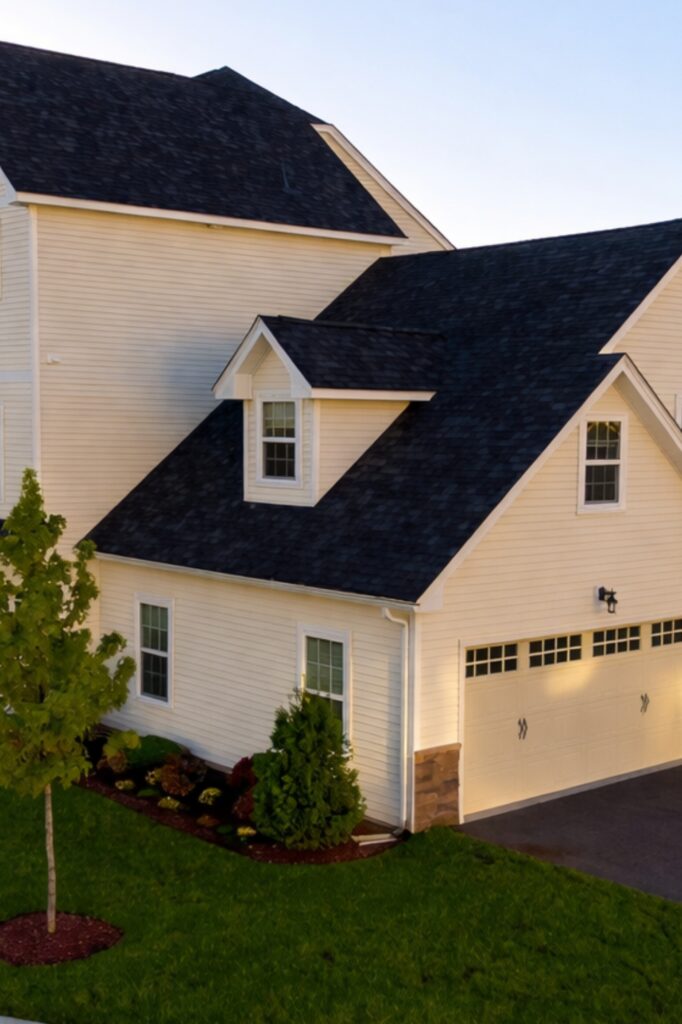
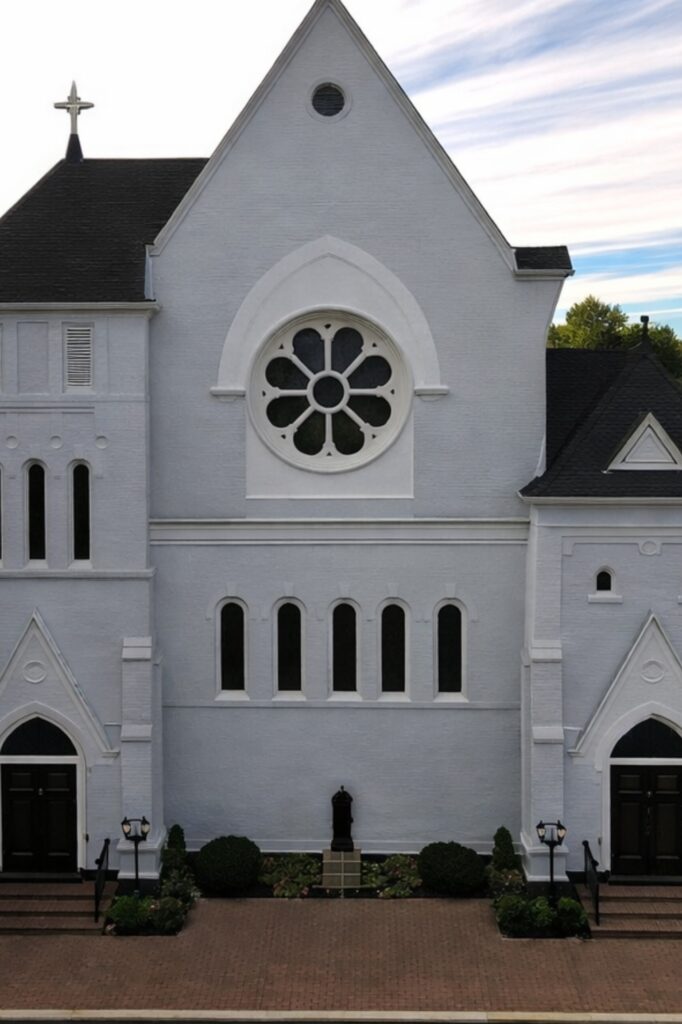
When you think about roof inspections, safety should be a top priority. Drones provide a major advantage by eliminating the need for ladders and scaffolding, which can be hazardous. They can easily access hard-to-reach areas, capturing high-resolution images without putting anyone at risk. But the benefits don’t stop there; understanding how drones enhance safety can also lead to significant cost savings. What else do you stand to gain from this technology?
How Drones Enhance Safety During Roof Inspections
When you consider roof inspections, safety is often a top concern. Using drones for these tasks significantly reduces risks. Instead of sending workers onto potentially unstable roofs, drones allow you to gather data from the ground.
You can capture high-resolution images and videos without the need for ladders or scaffolding, minimizing the chances of falls and accidents. Drones can easily navigate hard-to-reach areas, ensuring thorough inspections without compromising safety.
With real-time data transmission, you can assess conditions quickly, identifying issues before they escalate. This not only protects your team but also streamlines the inspection process.
Embracing drone technology means prioritizing safety while maintaining efficiency in roof inspections. Your peace of mind is just a flight away.
Why Using Drones for Roof Inspections Saves You Money?
Using drones for roof inspections not only enhances safety but also significantly cuts costs.
Traditional inspections often require scaffolding, ladders, and even safety gear, which can add up quickly. With drones, you eliminate many of these expenses, streamlining the process and reducing labor costs.
Drones can cover large areas in a fraction of the time, allowing you to get quick results without extensive manpower. Additionally, you minimize the risk of damage to the property, which can lead to costly repairs down the line.
Detailed Imaging: A Clearer Picture of Roof Conditions
Drones offer unparalleled imaging capabilities that give you a clearer picture of roof conditions. With high-resolution cameras, they capture detailed images that reveal issues like cracks, leaks, or missing shingles—often invisible from the ground. This level of detail allows you to assess your roof’s health more accurately and efficiently.
Additionally, drones can provide thermal imaging, identifying heat loss and moisture buildup, which manual inspections might miss. You can analyze these images in real-time, making informed decisions about necessary repairs or maintenance.
This technology not only enhances your understanding of your roof’s condition but also helps you prioritize repairs, ultimately saving you time and money. Embracing drone inspections means you’re investing in a more thorough evaluation of your property.
How Drone Inspections Mitigate Liability for Property Owners and Inspectors
While traditional roof inspections can expose property owners and inspectors to various liabilities, drone inspections significantly reduce these risks.
By using drones, you eliminate the need for inspectors to physically climb onto roofs, minimizing the chances of accidents that could lead to injuries or property damage. This not only protects the inspectors but also shields you as a property owner from potential lawsuits stemming from accidents during manual inspections.
Additionally, drones provide accurate data and high-resolution images, which can serve as reliable evidence in case of disputes. With comprehensive documentation, you can demonstrate due diligence, further mitigating liability.
Conclusion
In conclusion, using drones for roof inspections drastically improves safety by eliminating the need for risky manual climbing. You not only protect yourself and your team from potential falls but also gain access to detailed imagery that enhances your assessments. Plus, the cost savings and reduced liability make drone inspections a smart choice for property owners and inspectors alike. Embracing this technology means ensuring safer, more efficient evaluations of roof conditions.