
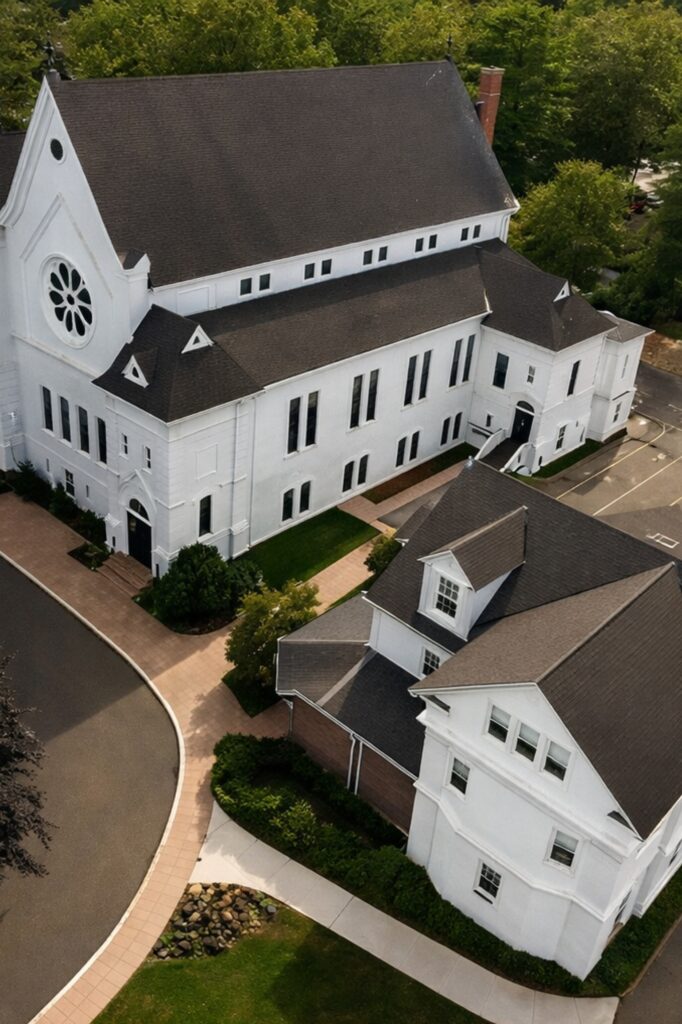
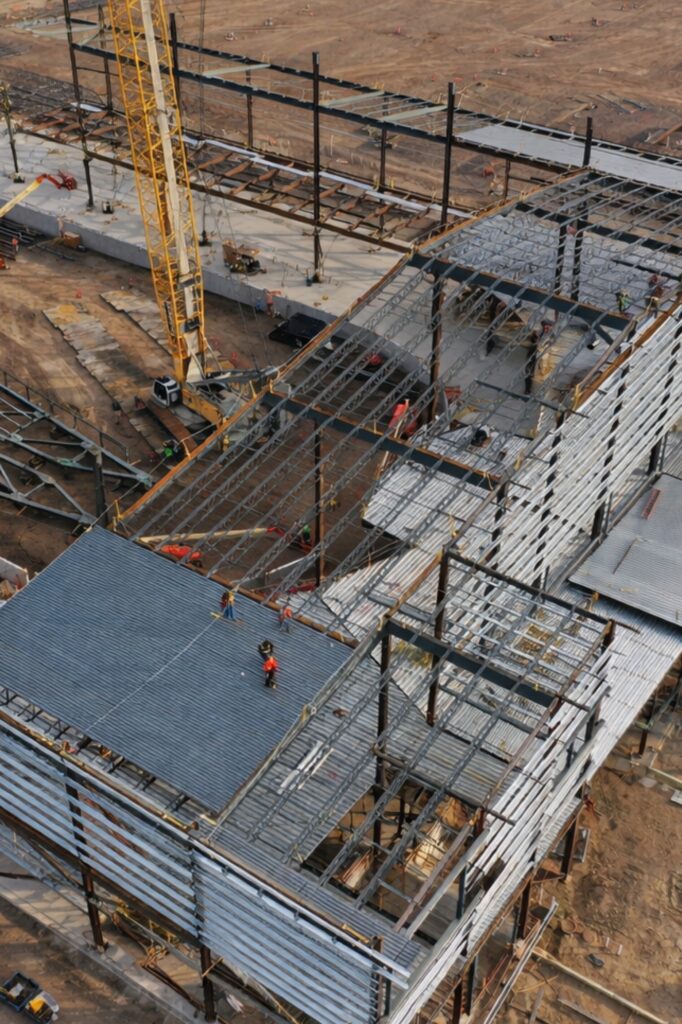
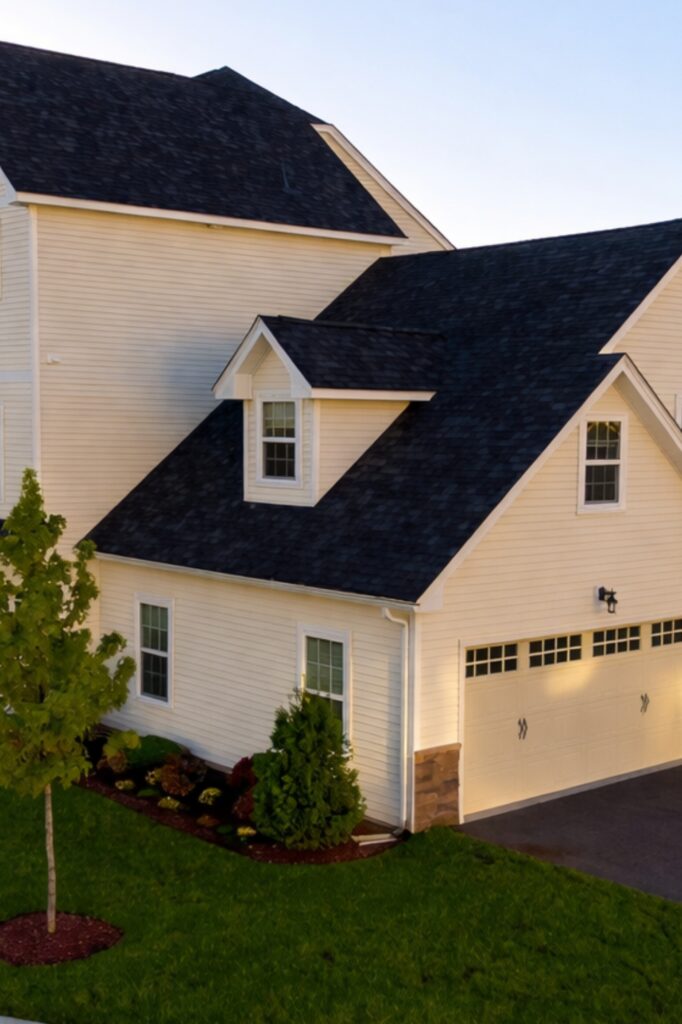
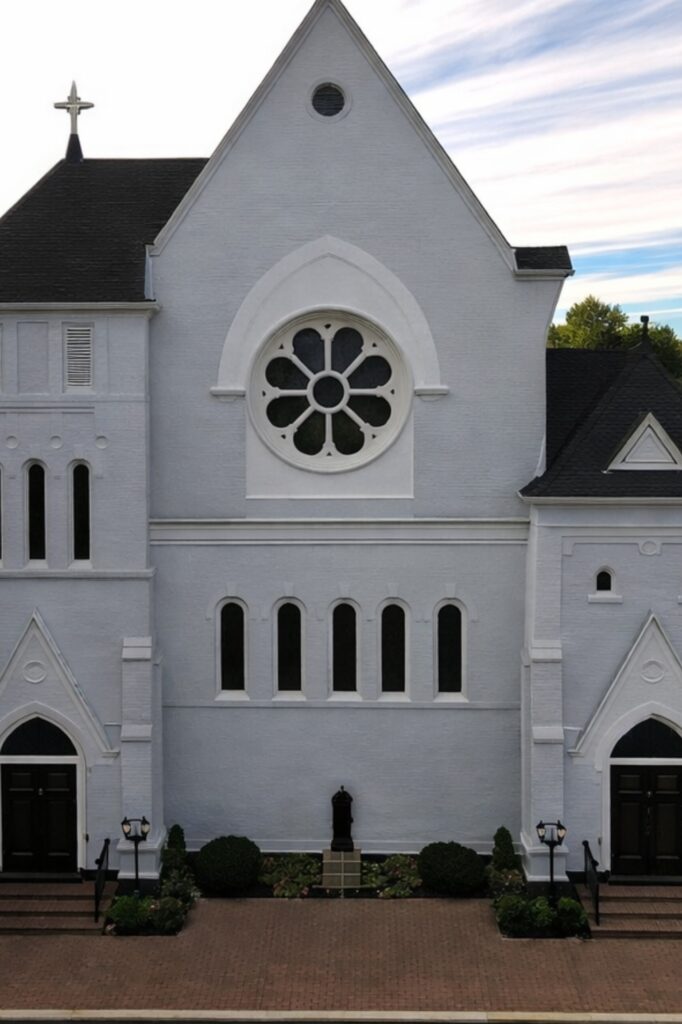
When it comes to roof inspections, you might wonder what issues a drone can uncover. From shingle wear to hidden leaks, drones offer a unique perspective that traditional methods often miss. They can spot temperature variations that indicate moisture problems and assess hard-to-reach areas without risking safety. Curious about how these inspections work and the specific problems they can identify? Let’s explore the common issues detected in drone roof inspections.
Common Issues Detected in Drone Roof Inspections
When you rely on drone technology for roof inspections, you might encounter several common issues that can affect the results.
First, weather conditions can play a significant role; strong winds or rain may limit visibility or even ground your drone.
Second, battery life is crucial—if your drone runs out of power mid-flight, you could miss critical areas.
Third, camera quality mightn’t be sufficient for detailed analysis, potentially overlooking minor damage.
Additionally, navigation challenges can arise, especially with complex roof designs or obstructions like trees.
Lastly, interference from nearby structures can disrupt signal strength, impacting real-time data transmission.
Being aware of these issues helps ensure your inspections are thorough and effective.
Detecting Roof Leaks and Moisture?
Although drones offer a cutting-edge method for roof inspections, detecting leaks and moisture can still pose challenges. While they can capture high-resolution images, identifying subtle signs of water damage requires expertise.
You might find that thermal imaging technology enhances detection, allowing you to spot temperature variations indicating moisture presence. However, this method isn’t infallible; factors like insulation and external temperatures can obscure true readings.
Additionally, drones can miss hidden leaks, especially if they’re located beneath layers of roofing materials. Therefore, combining drone inspections with traditional methods can provide a more comprehensive assessment.
Regular monitoring and follow-up inspections can help you catch issues early, ensuring your roof remains in optimal condition.
How Drones Spot Shingle Wear and Material Issues
Detecting shingle wear and material issues is another area where drones excel. With high-resolution cameras and powerful imaging technology, drones can capture detailed images of your roof’s surface.
As you guide the drone, it scans for signs of wear, such as curling, cracking, or missing shingles. You’ll appreciate how drones can quickly identify areas where granules have worn away, exposing the underlying materials to the elements.
The drones also analyze color variations that may signal deterioration. This aerial perspective allows you to pinpoint problems without needing to climb onto your roof.
Why Choose Drone Inspections Over Traditional Methods
Choosing drone inspections over traditional methods offers several clear advantages, especially in terms of safety and efficiency.
First, drones eliminate the need for ladders and scaffolding, reducing the risk of falls and injuries. You can quickly gather comprehensive data without putting anyone in harm’s way.
Second, drones capture high-resolution images and videos, allowing for a detailed analysis of your roof’s condition from various angles. This technology speeds up the inspection process, saving you time and money.
Additionally, drones can access hard-to-reach areas, ensuring no potential issues are overlooked.
Conclusion
In conclusion, drone roof inspections offer a modern solution to identifying potential issues like leaks, shingle wear, and structural damage. By utilizing advanced technology, you can access hard-to-reach areas and gain a comprehensive view of your roof’s condition. This proactive approach not only saves time but also helps you make informed maintenance decisions, ultimately protecting your investment. Choosing drone inspections means you’re prioritizing accuracy and efficiency, ensuring your roof stays in top shape for years to come.