
When it comes to assessing roof damage, you might wonder how accurate AI can really be. This technology uses advanced algorithms to spot issues like missing shingles or leaks, often detecting things that human inspectors might miss. However, its accuracy hinges on various factors. What happens when the input images aren’t ideal or when the roof design is complex? Let’s explore the intricacies of AI-powered roof damage analysis and what it means for your assessments.
How Does AI Accurately Assess Roof Damage?
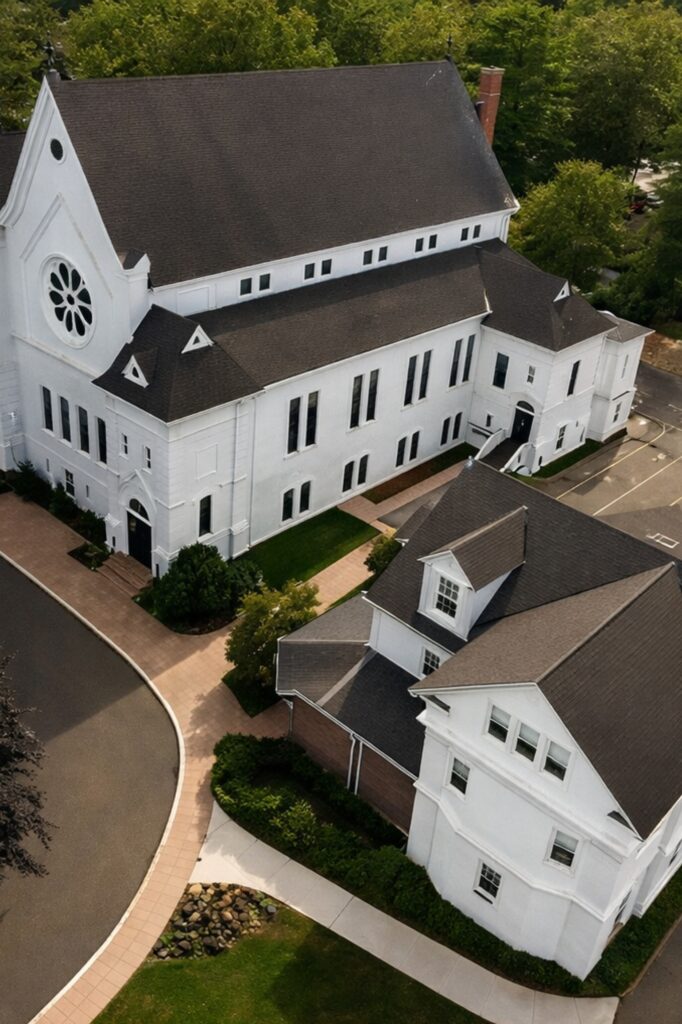
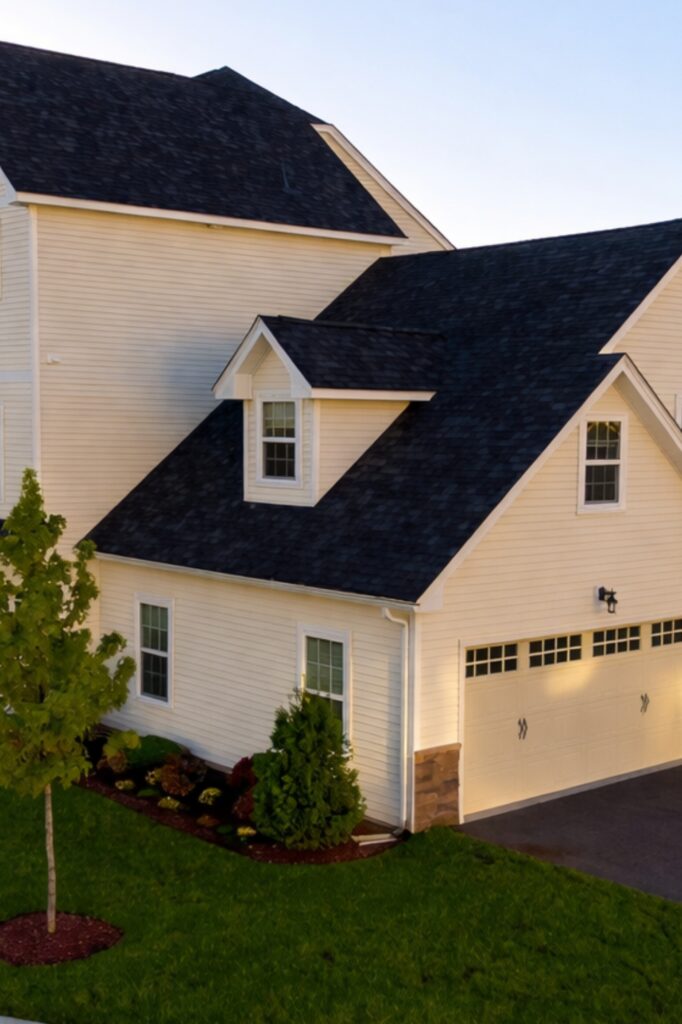
When you need to assess roof damage, AI technology steps in with impressive accuracy. By utilizing advanced algorithms, AI analyzes images captured by drones or cameras, identifying issues like missing shingles or leaks.
It processes vast amounts of data quickly, comparing your roof to a database of known damages. This allows the system to detect even subtle anomalies that might go unnoticed by the human eye.
Additionally, AI can learn from previous inspections, continuously improving its accuracy over time. By integrating machine learning, it adapts to different roofing materials and styles, ensuring precise assessments tailored to your needs.
With AI, you get reliable insights, helping you make informed decisions about necessary repairs or maintenance.
What Are the Benefits of Using AI for Roof Inspections?
Using AI for roof inspections offers numerous advantages that can significantly enhance the assessment process.
First, it speeds up inspections, allowing you to identify issues quickly. Instead of spending hours on manual evaluations, AI can analyze images and data in minutes, saving you time and resources.
Second, AI provides consistent results, reducing the risk of human error. You can trust that the analysis is based on accurate algorithms rather than subjective judgments.
Additionally, AI tools can predict potential problems before they become serious, helping you make proactive decisions.
Lastly, the data collected can improve future inspections, creating a valuable knowledge base that enhances your overall service.
These benefits make AI an essential tool for efficient and effective roof inspections.
What Are Common AI Limitations in Roof Damage Detection?
While AI brings significant advantages to roof inspections, it also has its limitations in damage detection. One major issue is the reliance on high-quality images; if the data is poor, your results may be inaccurate.
AI can struggle with complex roof structures, misidentifying damage due to overlapping materials or unique designs. Additionally, it often lacks the contextual understanding that experienced human inspectors possess, which can lead to missed issues.
AI algorithms may not adapt well to new types of damage or changing environmental factors. Lastly, there’s the challenge of false positives, where minor imperfections are flagged as significant damage, causing unnecessary concern.
Understanding these limitations is crucial for effective roof damage assessments.
How to Choose Between AI and Traditional Roof Assessments?
How do you decide between AI and traditional roof assessments? Start by considering the complexity of your roof’s condition. If you’re facing minor issues, AI can offer quick, cost-effective evaluations.
However, for extensive damage or unusual circumstances, a traditional assessment by a professional might be more reliable.
Next, think about the time factor. AI assessments are often faster, providing results almost immediately.
On the other hand, a detailed human inspection may take longer but can uncover hidden problems that AI might miss.
Finally, weigh your budget. AI assessments can be cheaper, but investing in a thorough traditional assessment may save you money on repairs down the line.
Choose the method that best meets your specific needs and circumstances.
Conclusion
In conclusion, AI-powered roof damage analysis offers impressive accuracy and rapid assessments, making it a valuable tool for inspections. However, remember that its effectiveness relies on high-quality images and may struggle with complex designs. While AI can detect subtle issues, it’s wise to complement its findings with traditional evaluations for critical cases. By combining both methods, you can ensure a comprehensive understanding of your roof’s condition and make informed decisions about necessary repairs.