

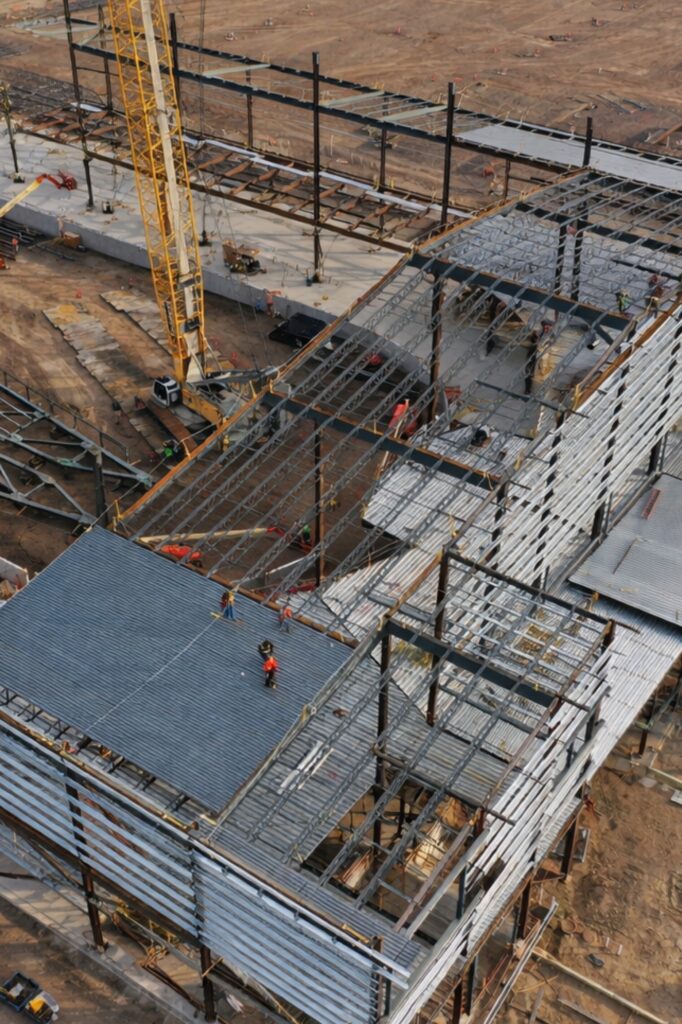


When dealing with insurance claims, you might encounter various challenges that complicate the process. Drone reports offer a modern solution, providing clear aerial imagery that can enhance damage assessments. These high-resolution images not only capture details from multiple angles but also minimize safety risks in hard-to-reach areas. As you explore how these advancements streamline communication and expedite resolutions, you may start to see the broader implications for both policyholders and insurers.
Common Challenges in Insurance Claims
When you file an insurance claim, you might encounter several common challenges that can complicate the process.
First, gathering the necessary documentation can feel overwhelming. You’ll need to provide evidence of damage, receipts, and other records, which can take time.
Next, understanding your policy’s coverage limits is crucial; you don’t want to assume you’re covered for everything.
Communication with your insurance adjuster can also be tricky, as you may face delays or misinterpretations.
Additionally, disputes over the claim amount often arise, leading to frustration.
Lastly, you might struggle with deadlines, as missing them can jeopardize your claim.
Navigating these challenges requires patience and diligence to ensure you receive a fair settlement.
Enhancing Damage Assessment Accuracy With Drone Technology
Filing an insurance claim often brings a host of challenges, particularly when it comes to accurately assessing damage. You might struggle with inconsistent evaluations and subjective opinions, leading to disputes and delays.
That’s where drone technology steps in. Drones provide precise aerial imagery, capturing detailed views of the affected area. This data helps you document damage comprehensively, reducing the chances of misinterpretation.
With high-resolution images, you can present undeniable evidence that aligns with your claim. Plus, drones can access hard-to-reach areas, ensuring nothing goes unnoticed.
Benefits of Drones Through Aerial Imagery for Claims Processing
Drones revolutionize claims processing by providing high-quality aerial imagery that enhances the evaluation of damage.
With their ability to capture detailed images from various angles, drones give you a comprehensive view of affected areas. This clarity helps you assess the extent of damage more accurately and speeds up the claims process. You can easily share these images with adjusters, ensuring everyone’s on the same page.
Additionally, aerial imagery can highlight hard-to-reach areas, reducing the need for ladder work and minimizing safety risks. By streamlining evaluations and reducing onsite time, drones not only save you money but also improve customer satisfaction.
In a competitive market, leveraging drone technology can set you apart as an efficient claims processor.
Case Studies: Successful Applications of Drones in Insurance Claims
Numerous insurance companies have successfully harnessed drone technology to streamline their claims processes, showcasing its effectiveness in real-world scenarios.
For instance, after a severe storm, a major insurer deployed drones to assess damages in hard-to-reach areas, speeding up claim evaluations significantly. You can see how they captured detailed aerial images, allowing adjusters to make informed decisions quickly.
Another case involved a property claim where a drone provided comprehensive visuals of roof damage, eliminating the need for costly scaffolding. This not only saved time but also reduced expenses.
These examples demonstrate how integrating drones into the claims process enhances accuracy, expedites evaluations, and ultimately improves customer satisfaction.
You’ll likely find that this technology is becoming essential in modern insurance practices.
Conclusion
Incorporating drone reports into the insurance claims process can transform how you handle damage assessments. By providing precise aerial imagery, drones enhance accuracy and speed, reducing disputes and improving communication between you and your adjuster. As you’ve seen, successful case studies demonstrate their effectiveness. Embracing this technology not only streamlines your claims experience but also boosts customer satisfaction, ensuring a smoother path to resolution when you need it most.